

Coral Reefs: The Rainforests of the Ocean
What Are Coral Reefs?
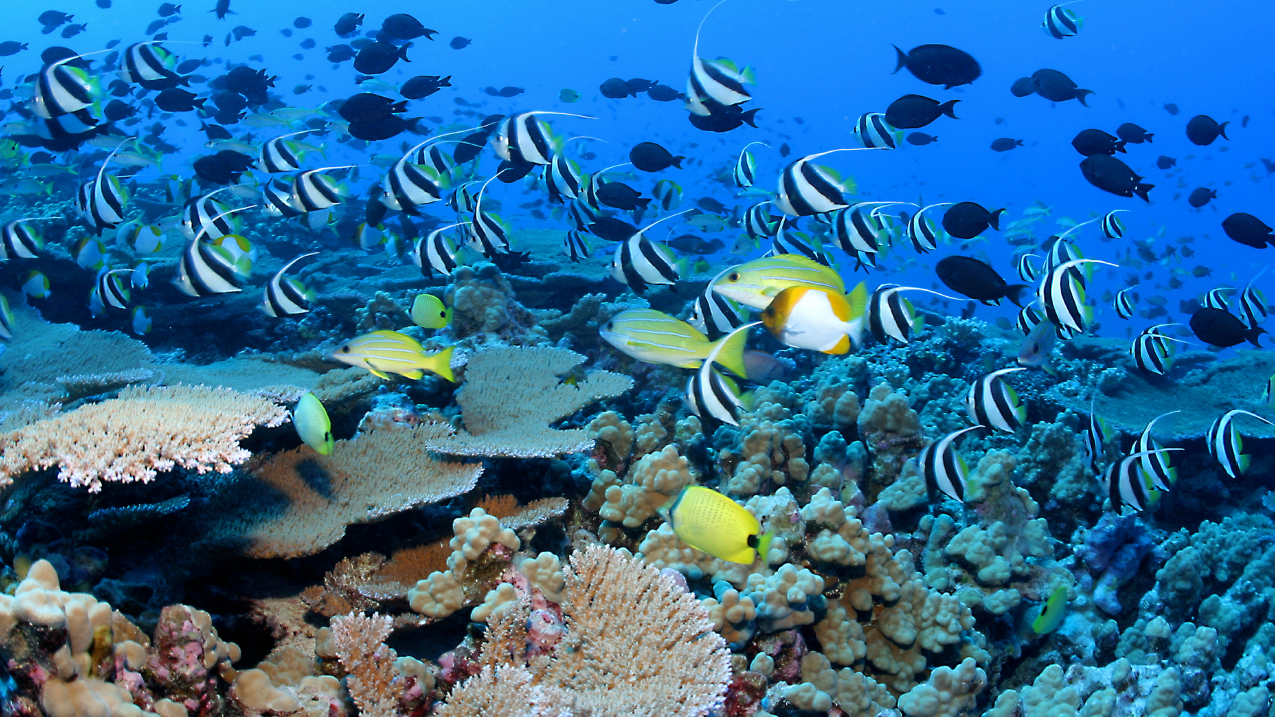
Coral reefs are vibrant underwater ecosystems built by tiny animals called coral polyps. Over thousands of years, these animals create massive limestone structures that become home to many different ocean species. Even though reefs cover less than 1% of the ocean floor, they support about 25% of all marine life.
Because of the huge variety of life they support, coral reefs are often called “the rainforests of the sea.”
These ecosystems are extremely important for both marine animals and humans. They provide habitat for fish and other sea creatures, support fishing and tourism industries, and even help protect coastlines from storms and erosion.
Why Coral Reefs Are Important 🌎
1. Homes for Marine Life
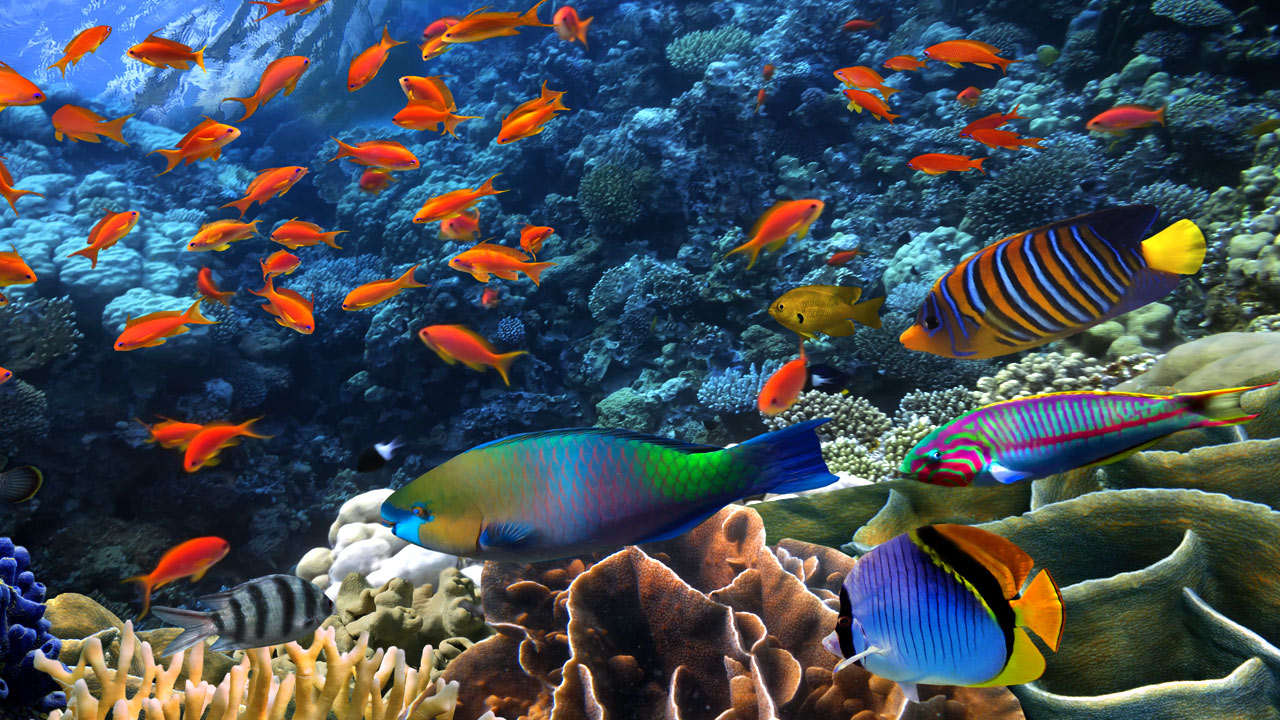
Reefs provide shelter, food, and breeding grounds for thousands of species including fish, sea turtles, crabs, and sea stars. Over 4,000 fish species depend on coral reefs during their life cycles.
2. Protecting Coastlines
Coral reefs act like natural barriers that absorb wave energy. This protection reduces damage from storms, hurricanes, and floods along coastlines.
3. Helping People
More than 500 million people worldwide rely on coral reefs for food, jobs, and tourism income.
4. Scientific Discoveries
Scientists study coral reef organisms to develop new medicines and treatments for diseases.
Fun Facts About Coral Reefs 🪸
- Coral reefs are built by tiny animals, not plants.
- Some coral reefs are thousands of years old.
- Parrotfish help create beach sand by grinding coral into tiny particles.
- Coral reefs protect shorelines by reducing wave energy by up to 97%.
- Florida has the third-largest barrier reef system in the world.
Threats to Coral Reefs ⚠️
Unfortunately, coral reefs are one of the most endangered ecosystems on Earth.
Major threats include:
- Climate change and warming oceans
- Coral bleaching, when corals lose the algae that give them color and nutrients
- Pollution and plastic waste
- Overfishing
- Damage from boats and tourism
Recent heat waves have caused severe bleaching events affecting reefs worldwide, including those in Florida.
How We Can Protect Coral Reefs 🌱
Everyone can help protect coral reefs by making small changes:
1. Use Reef-Safe Sunscreen
Some sunscreen chemicals harm coral reefs.
2. Don’t Touch Coral
Coral is fragile and can be damaged easily by contact.
3. Reduce Plastic Waste
Plastic pollution can damage reef ecosystems.
4. Save Energy
Reducing carbon emissions helps slow ocean warming.
5. Support Reef Conservation
Marine protected areas and restoration programs help reefs recover.
Places in Florida Where You Can See Coral Reefs 🐟
Florida is home to the only living coral barrier reef in the continental United States. Here are a few places you can explore them.
John Pennekamp Coral Reef State Park
This park in Key Largo is the first underwater park in the United States and covers about 70 nautical square miles of coral reefs. Visitors can explore reefs by snorkeling, scuba diving, kayaking, or glass-bottom boat tours.
Boca Aquarium
This small, family-friendly aquarium in Boca Raton lets visitors learn about marine life up close. It includes coral reef tanks filled with colorful corals and fish, plus exhibits featuring sharks and seahorses. The aquarium focuses on teaching kids about protecting the ocean and coral reef ecosystems. See a full list of exhibits here!
Visits usually last around 20–25 minutes, making it a quick and educational stop for families.
Gumbo Limbo Nature Center
This nature center features large outdoor aquariums that replicate local marine habitats, including a coral reef ecosystem with fish and reef organisms found off the coast of South Florida.
Why Coral Reefs Matter for the Future 🌍
Coral reefs are essential to the health of our oceans and the people who live near them. They protect coastlines, support wildlife, and provide food and jobs for millions of people. Yet many reefs are in danger from climate change and human activity.
By learning about reefs and protecting them, we can help ensure these incredible underwater ecosystems survive for future generations.